botanix

botanical illustrations by milly acharya


  • Home
  • About
  • Contact
  • Résumé
  • Index

Archive for October, 2007

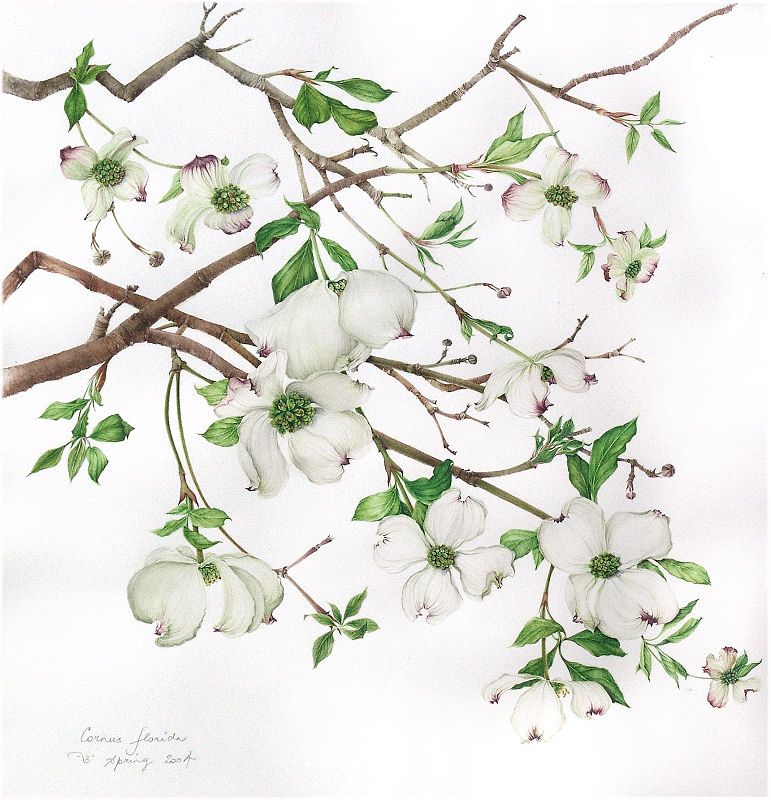
Cornus florida

Cornus florida
Cornus florida (Dogwood)
See more »

Andrejs :: Oct.18.2007 :: Cornus florida :: No Comments »

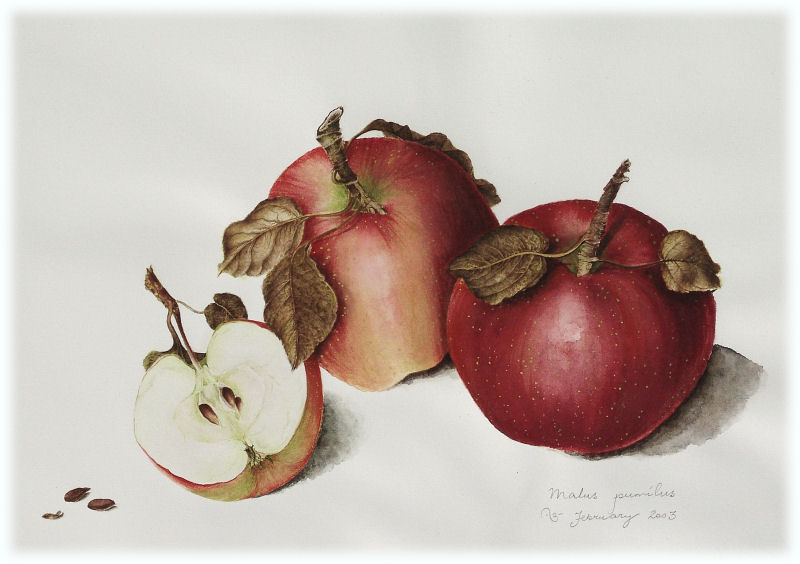
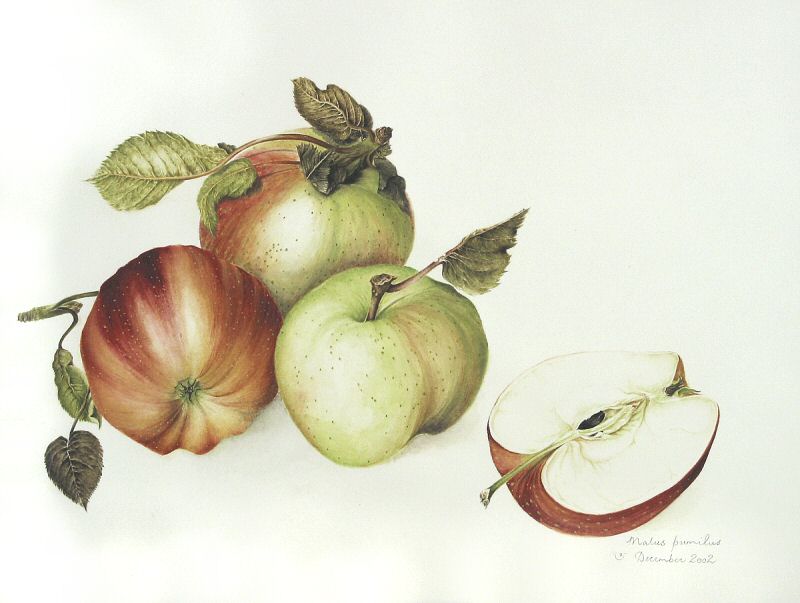
Malus pumilus 2

Malus pumilus
Malus pumilus (Apple)
See more »

Andrejs :: Oct.18.2007 :: Malus pumilus :: Comments Off

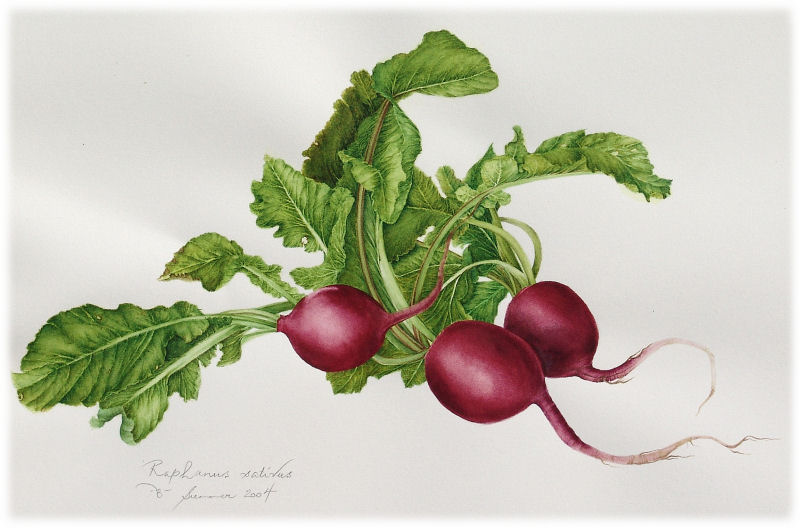
Raphanus sativus

Raphanus sativus
Raphanus sativus (Radish)
See more »

Andrejs :: Oct.18.2007 :: Raphanus sativus :: Comments Off

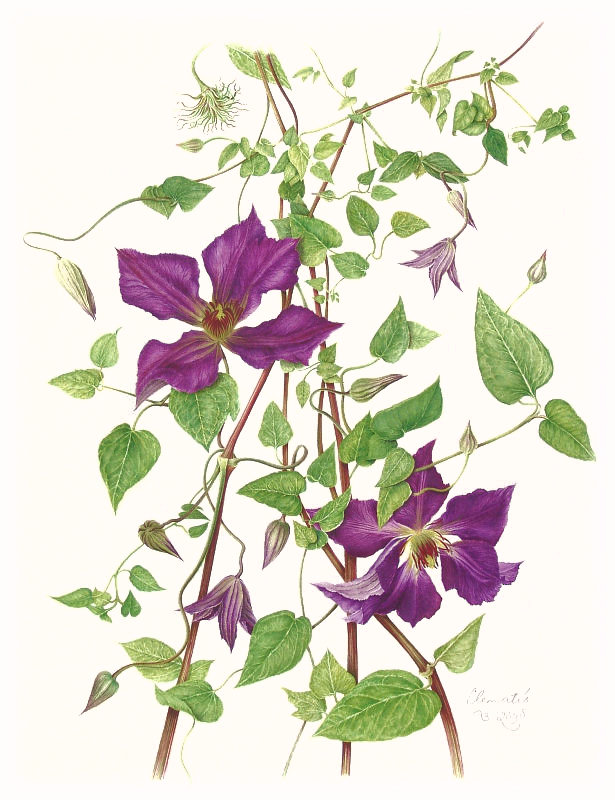
Clematis

Clematis

‘Tis customary as we part
A trinket to confer—
It helps to stimulate the faith
When lovers be afar—

‘Tis various—as the various taste—
Clematis—journeying far—
Presents me with a single Curl
Of her Electric Hair…
Emily Dickinson (1830-86)

See more »

Andrejs :: Oct.18.2007 :: Clematis :: Comments Off

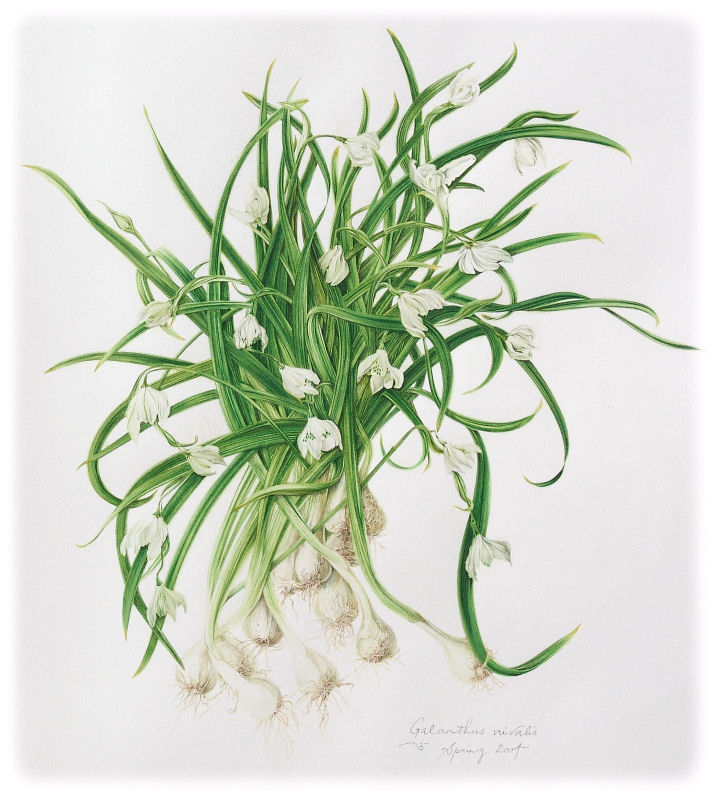
Galanthus nivalis

Galanthus nivalis
Galanthus nivalis (Snowdrop)
See more »

Andrejs :: Oct.18.2007 :: Galanthus nivalis :: Comments Off

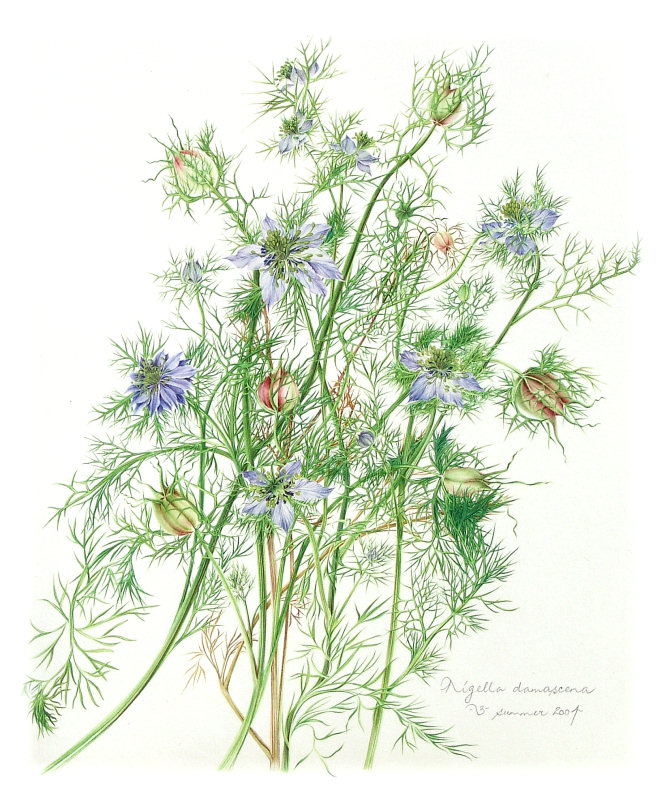
Nigella damascena

Nigella damascenaNigella damascena (Love-in-a-mist)

In Latin nigellus or niger, meaning black, refers to the color of the seeds; damascena denotes coming “from Damascus”. The plant’s feathery foliage guarding its dainty flowers has stirred the imagination to generate a host of popular names—Love-in-a-mist, Devil-in-the-Bush, Love-entangle, Hair-of-Venus, Jack-in-prison and Lady-in-Shade.
Legend tells a tale about the crusading Emperor Frederick I (1125-1190), who was enticed by a green-haired water sprite and drowned in pursuing her. The Lady-in-the-shade sprang up along the banks of the stream, its fine lacey foliage an enduring reminder of the femme fatale’s seductive tresses. Another folk name refers to the bright red seedpod, an inflated papery capsule composed of fused follicles which house numerous seeds. See more »

Andrejs :: Oct.18.2007 :: Nigella damascena :: Comments Off

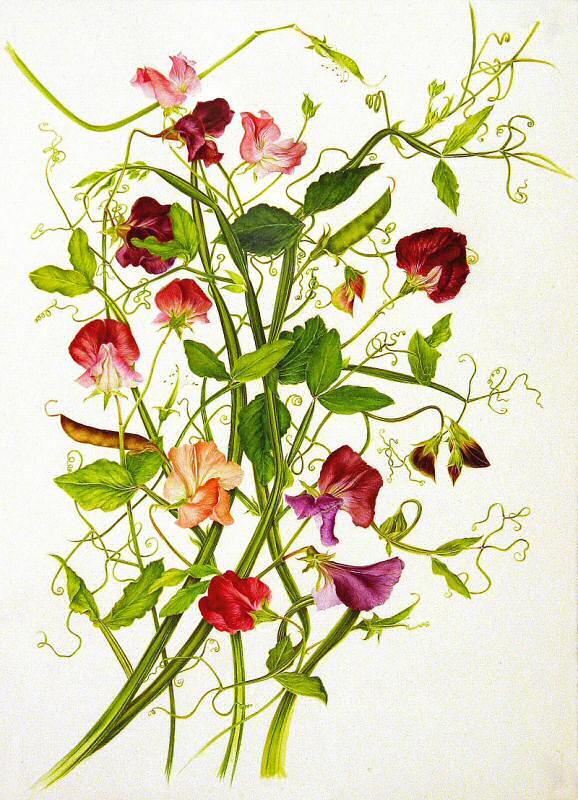
Lathyrus odoratus

Lathyrus odoratus
Lathyrus odoratus (Sweet pea)
See more »

Andrejs :: Oct.18.2007 :: Lathyrus odoratus :: Comments Off

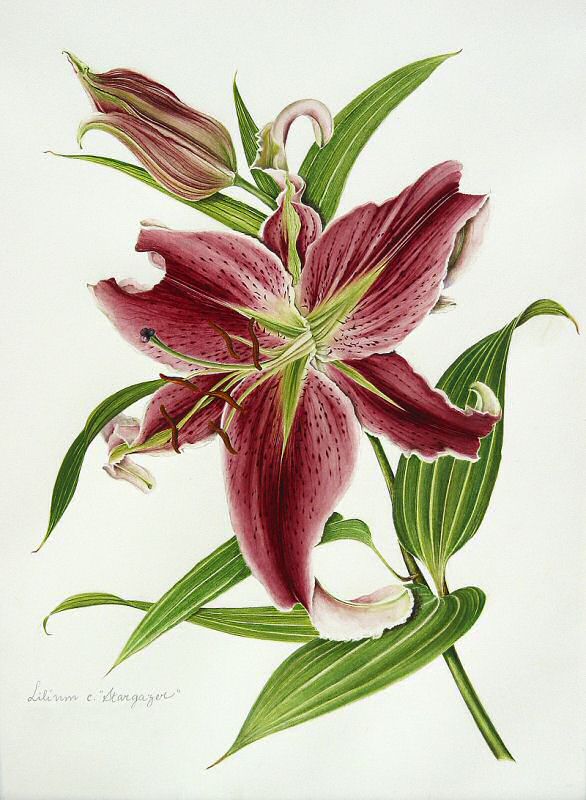
Lilium

Lilium
Lilium (Stargazer)
See more »

Andrejs :: Oct.18.2007 :: Lilium :: Comments Off

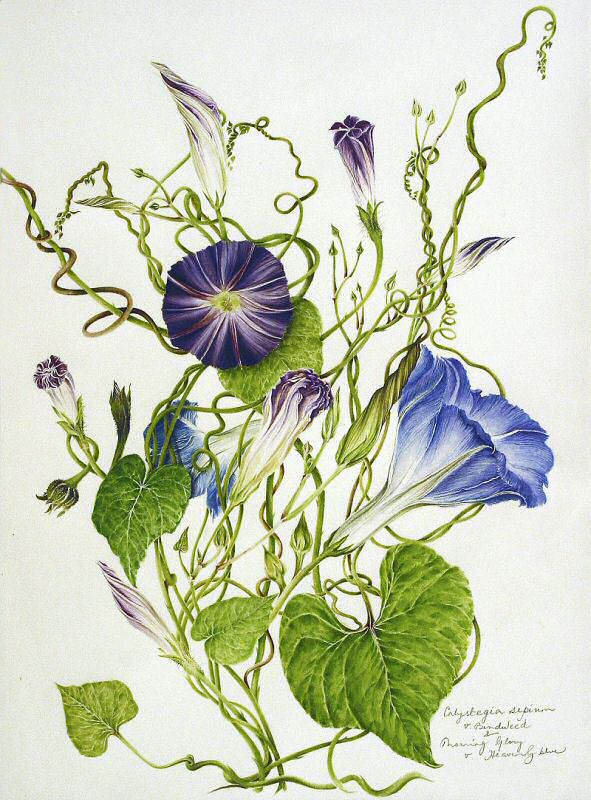
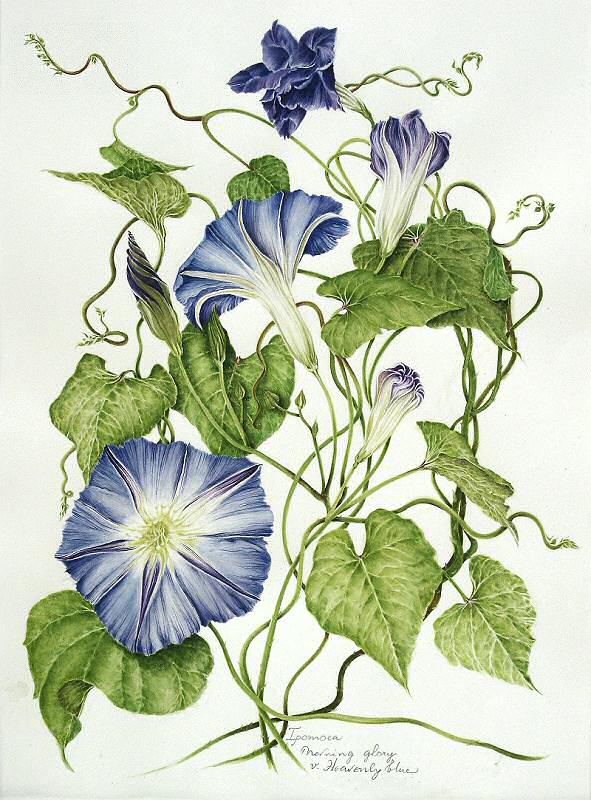
Ipomoea purpura & Convolvulus sepium

Ipomoea purpura and Convolvulus sepiumIps is the Greek word for worms. Ipomoea, or worm-like, describes the twining growth bait of this genus. However, it has undergone many name changes in its history. Starting off as Pharbitis purpurea incarnate, then Convolvulus major, followed by Convolvulus pupurea, it was only in the 20th century that the Morning Glory earned its current name. Because the flowers open at night or in diffuse light and last only a single day, saluting the sun, the name is well-deserved — though quite a contrast to ‘worm-like’! See more »
macharya :: Oct.18.2007 :: Ipomoea purpura :: Comments Off

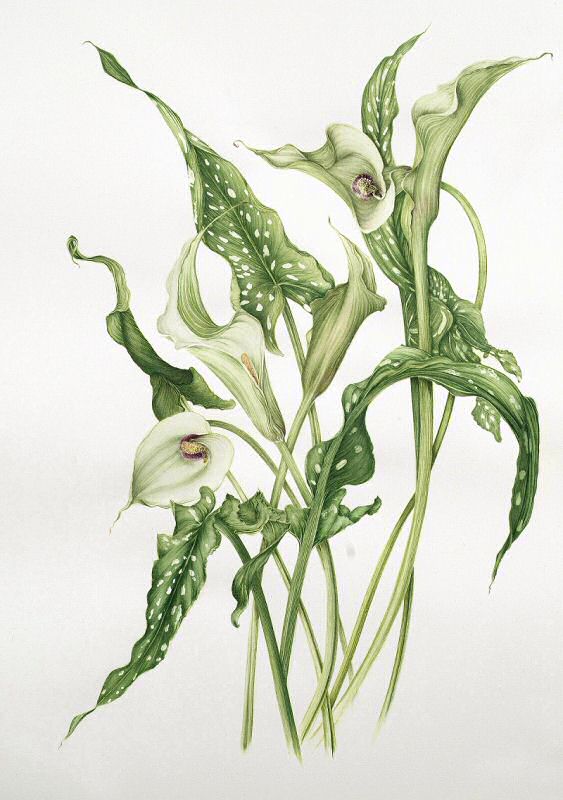
Zantedeschia aethiopica

Cala lily
Zantedeschia aethiopica (White calla lily)
See more »

Andrejs :: Oct.18.2007 :: Zantedeschia aethiopica :: Comments Off

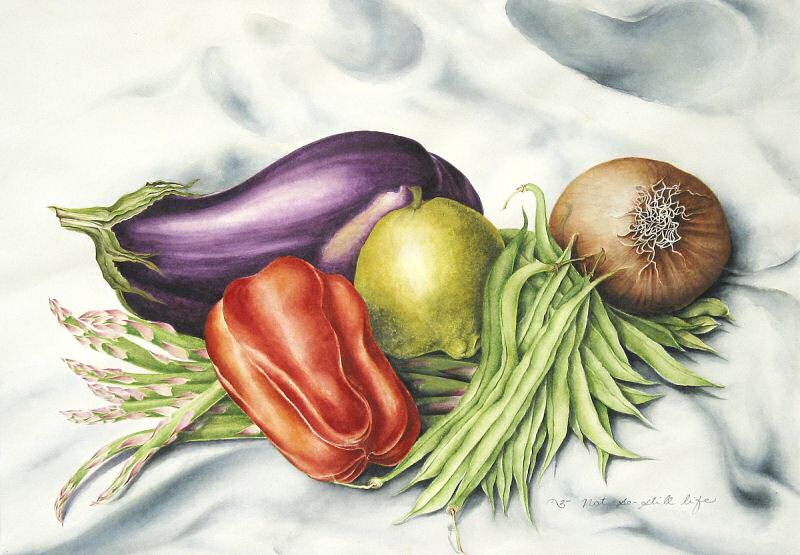
Not-so-Still-Life

Not-so-still Life

See more »

Andrejs :: Oct.18.2007 :: Not-so-still Life :: Comments Off

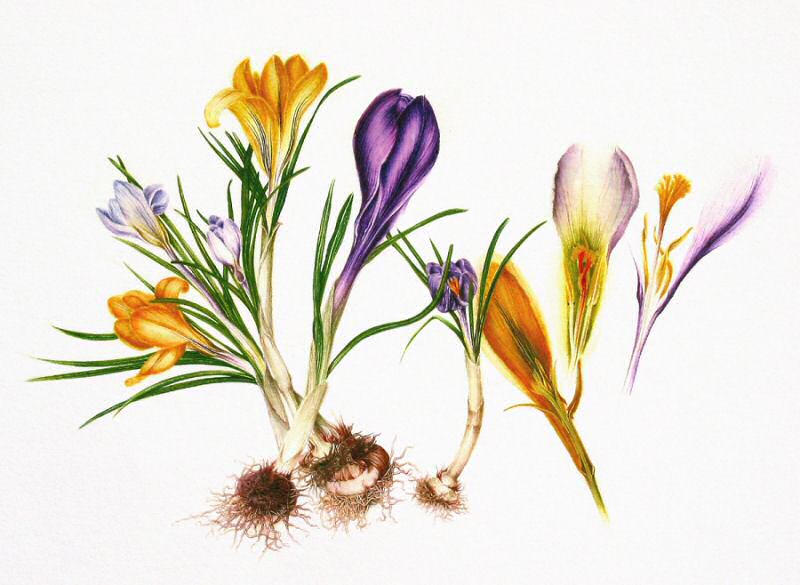
Iridaceae

Iridaceae Yellow and purple crocus

See more »

Andrejs :: Oct.18.2007 :: Iridaceae :: Comments Off

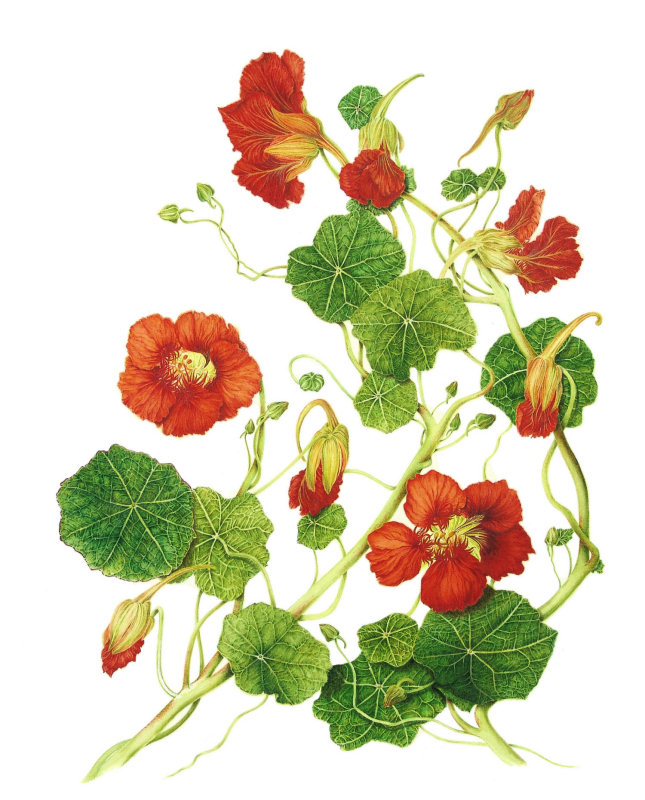
Tropaeolum majus (Nasturtium)

Tropaeolum majusAs a botanical painter I have a wish list, many miles long, of numerous plants I’d like to document each season. After our interminable, monochromatic northeastern winters when spring finally arrives I’m bursting with impatience to select my specimens and get to work. Most of the early plants I encounter in my neighborhood are various shades of white, pale pinks, pastel mauves — snowdrops, lily-of-the-valley, hyacinths, magnolias. Since botanical illustration is so meticulously detailed, commanding scientifically accurate visual information, it is, alas, painstakingly slow. So my wish list stays as long as ever! See more »
Andrejs :: Oct.18.2007 :: Tropaeolum majus :: Comments Off

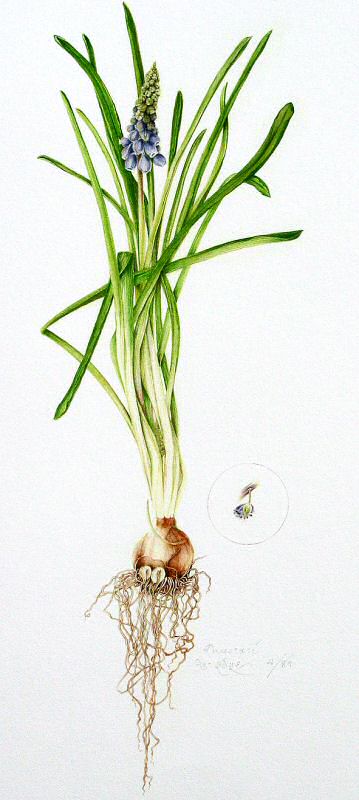
Muscari (Grape Hyacinth)

Muscari

See more »

Andrejs :: Oct.18.2007 :: Muscari :: Comments Off

Ipomoea purpura (Morning Glory)

Ipomoea purpura

See more »

Andrejs :: Oct.18.2007 :: Ipomoea purpura :: Comments Off

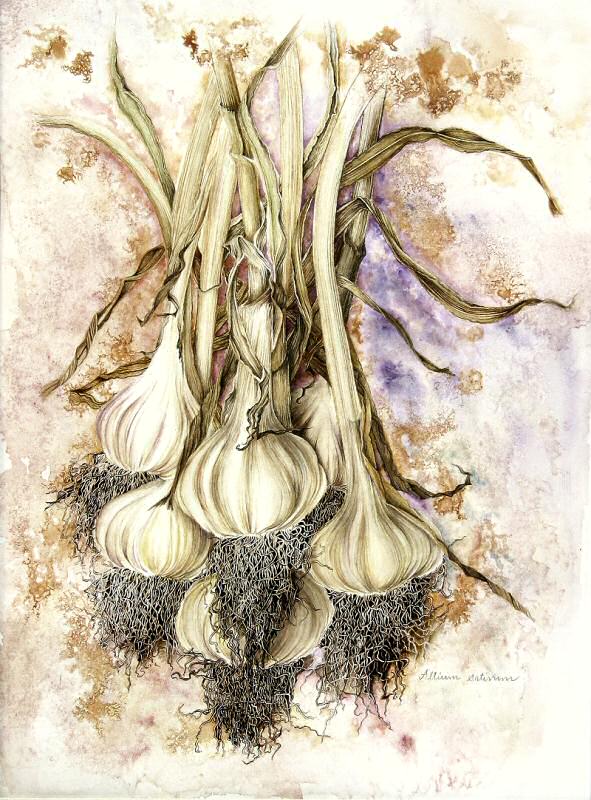
Allium sativum

Garlic, a member of the Amaryllidaceae family, thrives in full sunlight and is a good neighbor to most plants, except legumes and alfalfa, and is thought to repel rabbits, deer, moles and insects. Its flowers are hemaphrodite, having both female and male organs. It is a perennial that is not frost tender and is cultivated worldwide.
The garlic plant has a long folk history. Its use has been recorded in Vedic times, across cultures from ancient China to Egypt. It was believed to ward off diseases and infections and to confer strength, so the ancient Egyptians and Romans fed it to fortify the laborers who built their pyramids and other monuments. See more »

macharya :: Oct.18.2007 :: Allium :: Comments Off

Malus pumilus 3

Malus pumilus
See more »

Andrejs :: Oct.18.2007 :: Malus pumilus :: Comments Off

  • recent additions

    • Prunus cerasus
    • Nymphaea capensus
    • Iris reticulata
    • Cornus florida
    • Allium sativum 2010
  • portfolio

    • Alcea rosea
    • Allium
    • Aquilegia
    • Bougainvilla glabra
    • Citrus
    • Clematis
    • Convallaria majalis
    • Cornus florida
    • Datura
    • Delphinium
    • Digitalis
    • Galanthus nivalis
    • Hibiscus
    • Ipomoea purpura
    • Iridaceae
    • Iris reticulata
    • Kniphofia uvaria
    • Lathyrus odoratus
    • Lilium
    • Magnolia soulangeana
    • Malus pumilus
    • Muscari
    • Myosotis scorpioides
    • Nigella damascena
    • Not-so-still Life
    • Nymphaea capensus
    • Papaver orientale
    • Polygonatum commutatum
    • Prunus cerasus
    • Pyrus
    • Raphanus sativus
    • Red onion
    • Rhododendron
    • Tropaeolum majus
    • Tulipa
    • Viola tricolor
    • Vitis vinifera
    • Wisteria
    • Zantedeschia aethiopica

botanix © 2010
Based on Theme
More from Baltic Light